
Design and application features of spherical plain bearings
Load Rating
The values of load rating are always dependent on the definition used.
Itis therefore not always possible to make direct
comparisons with load ratingspublished by other manufactures.
The static load rating is used when spherical plain bearings stand
stillunder load(or make occasional alignment movements) and it should also beconsidered
when dynamically loaded bearings are subjected to heavy shockloads.
The static load rating represents the load which can be taken up
by aspherical plain bearing when static contact stress of bearing
contact surfacereaches the material stress limit.
It is valid at room temperature and it ispresupposed that
the surrounding components prevent deformation of thebearing.
At higher temperature, the static load rating must be multiplied by atemperature factor,
depend on the sliding contact surface combination.
Thetemperature factor are the same as for dynamically stressed bearing.
It isalso necessary to take into consideration the permissible temperature
rangefor the various sliding contact surface combinations.
For rod ends, it is thestrength of the rod end housing under stationary load which is considered.
The rod end static load ratings give a safety factor of 1.2
timesthe tensile strength of the rod end housing material.
Service Life
The service life of a spherical plain beading operated under mixed or dryfriction
conditions is determined by the increase in bearing clearance orbearing friction
caused by progressive wear of the sliding surfaces,
plasticdeformation of the sliding material or fatigue of the sliding surface.
Depending on the application, the permissible wear or permissibleincrease in friction will be different.
This means that under the sameoperating conditions
the service life which can be obtained in practice will bedifferent.
The service life of a spherical plain bearing is the number of oscillatingmovements,
or the number of operating hours, which the bearing will servicebefore a defined
increase in bearing clearance or a defined increase infriction is reached.
The effective service life is that life which will be attained by a given
spherical plain bearing under actual operating conditions.
It is determined bythe magnitude and type of load, but also by several other factors,
such ascontamination, corrosion, high-frequency load and movement cycles, shock etc.
Some of these factors are impossible to determine or can only bedetermined with difficulty.
Bearing Contact Pressure
If an adequate operating life is to be achieved,
a basic requirement is thatthe bearing contact pressure is compatible with the operating conditions.
Thebearing contact pressure identifies the surface pressure occurring in thebearing
and is a decisive criterion for the assessment of a spherical plainbearing in each individual application.
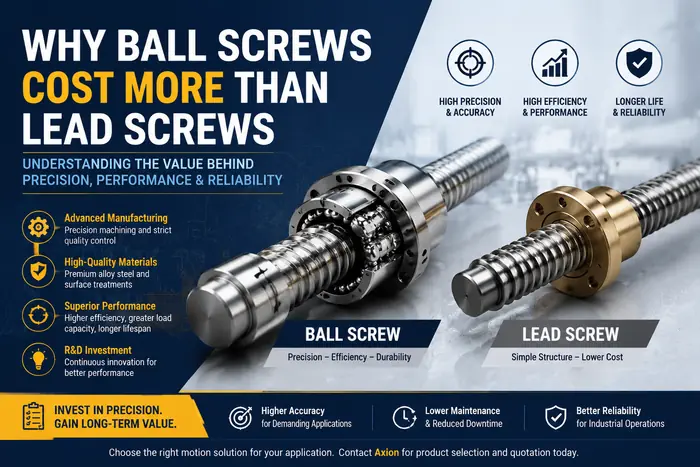 Why Ball Screws Cost More Than Lead Screws in Industrial Motion Systems
 Why Precision Ball Screws Are Critical for Industrial Automation and How to Choose a Trusted Supplie
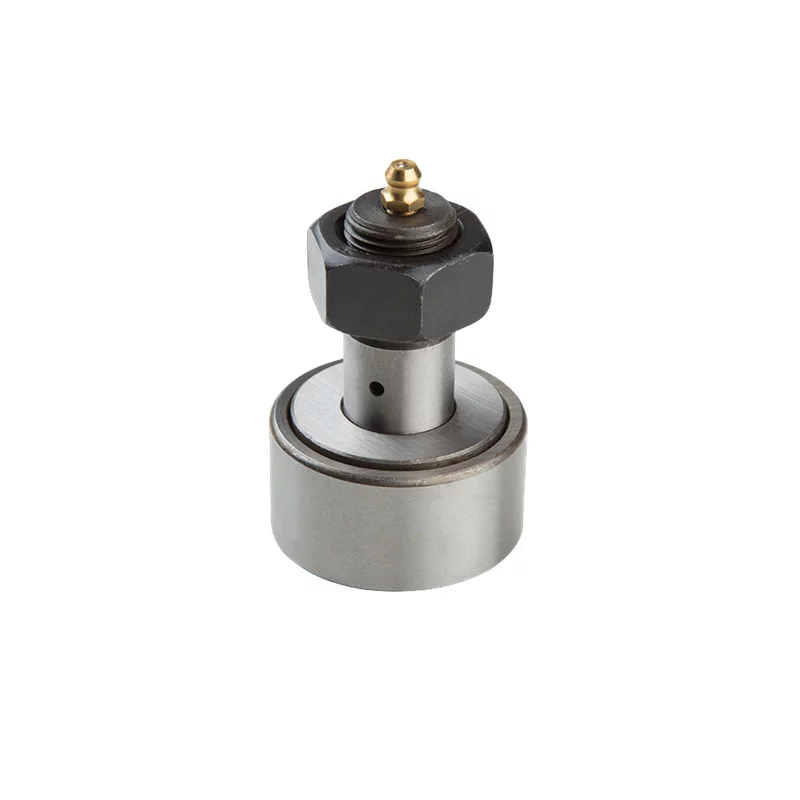 How to avoid roller bearing failures
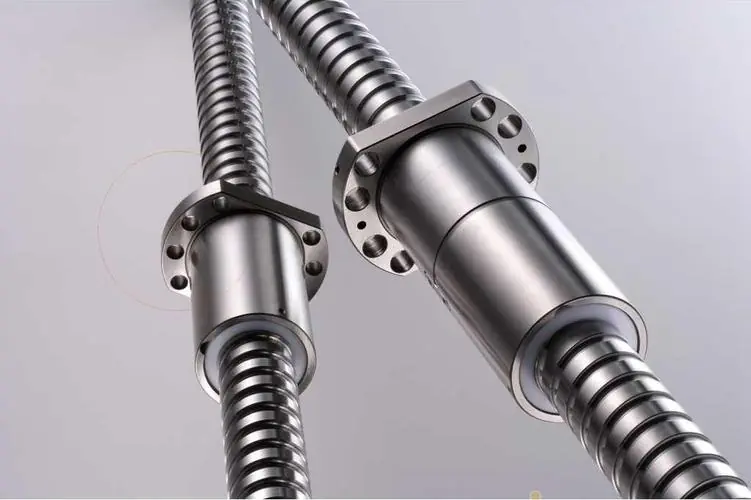 Why Precision Ball Screws are Vital for Industrial Automation and How to Choose the Right Supplier
Related Products
-
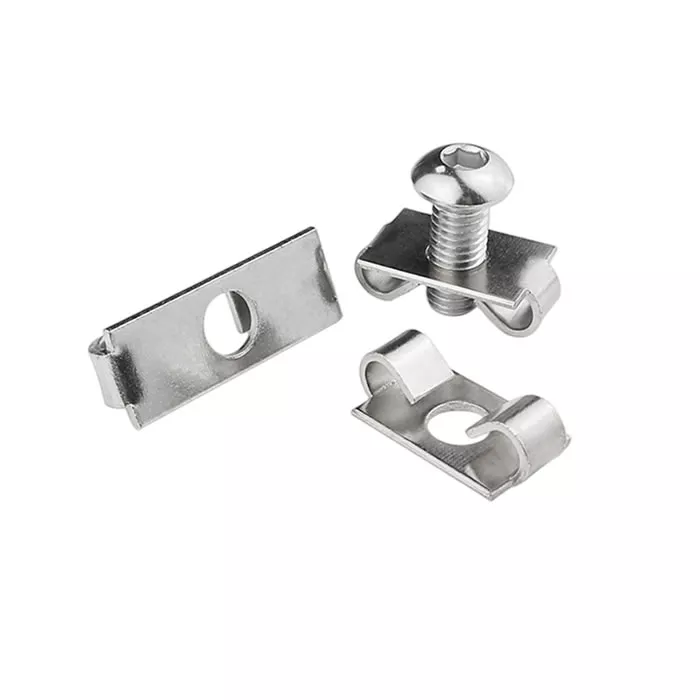
Custom 3030 4040 aluminum Extrusion Profile Elastic spring End Fastener
-
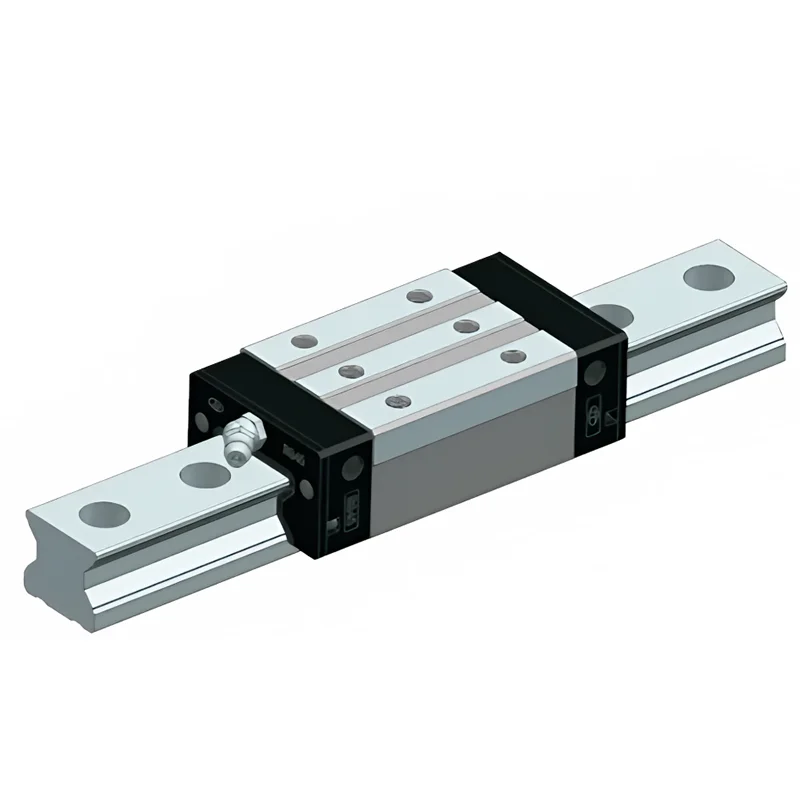
RGL-CA/RGL-HA,Linear Motion,Linear Guideways
-
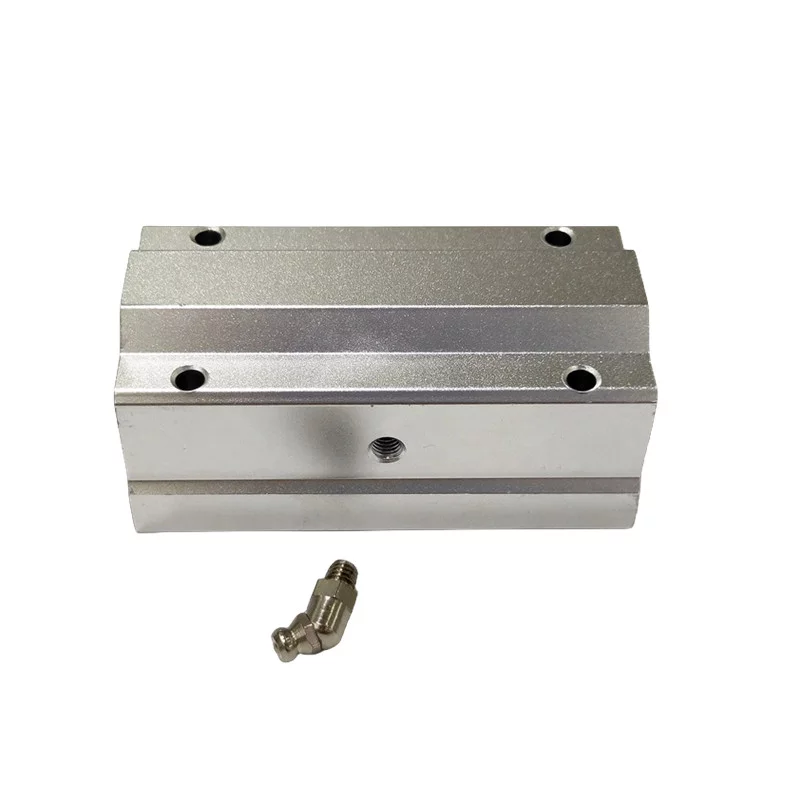
SCE..LUU Series,Linear Motion Ball Slide Units
-
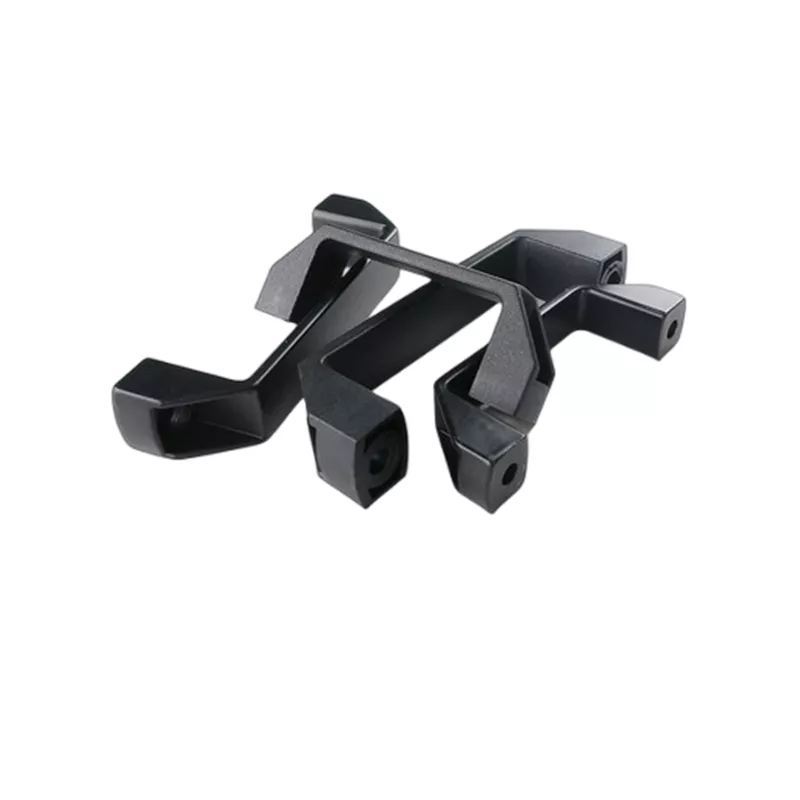
Door Handle Aluminium Profile Handle Cabinet Furniture Handle
-
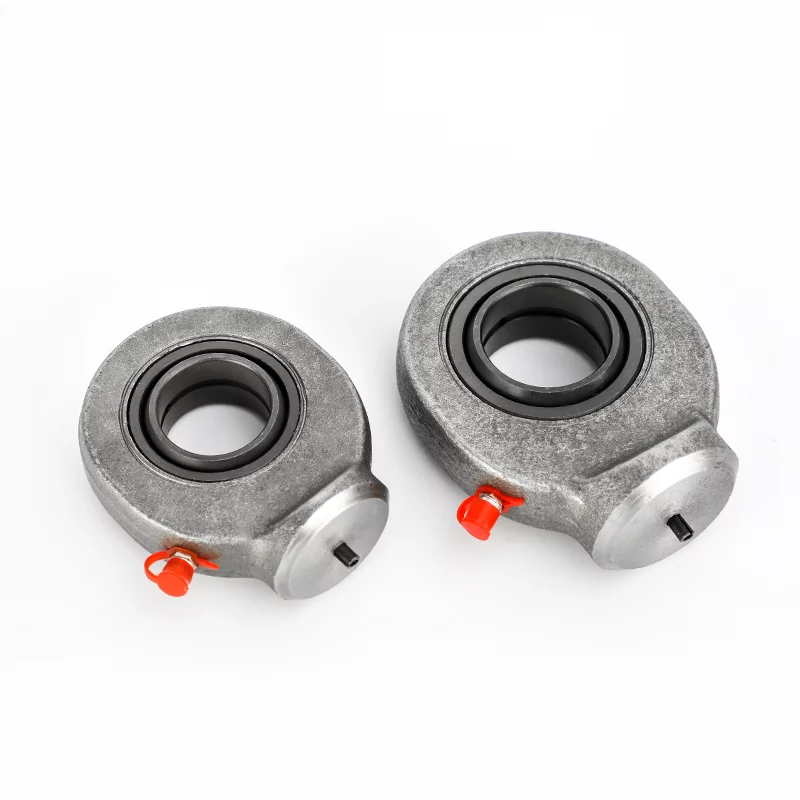
GK..DO,Rod Ends,Hydraulic Components
-
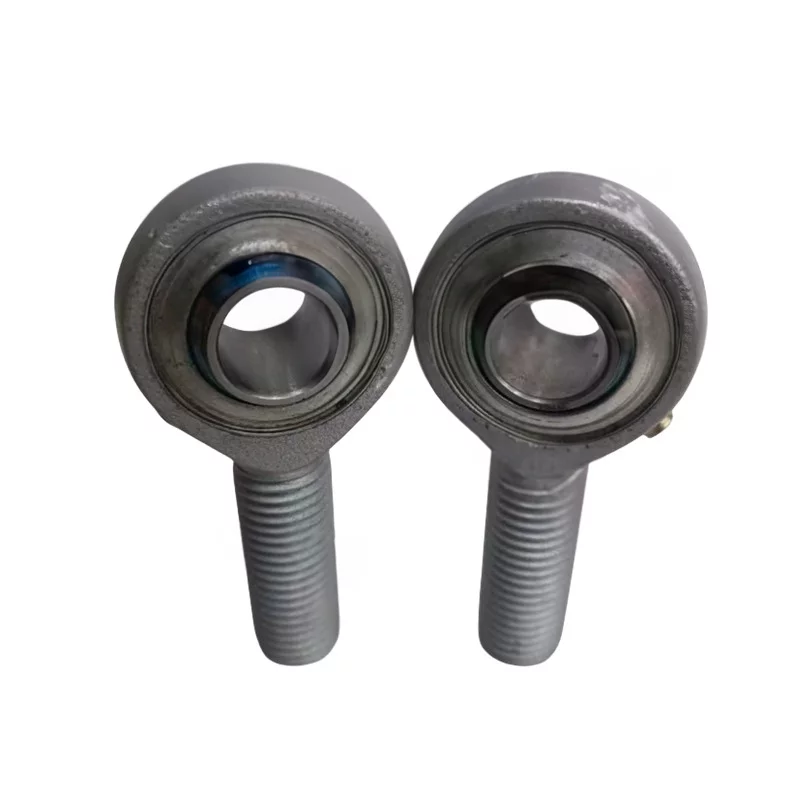
BRM Series,Male Threaded - Rod End Bearing
-
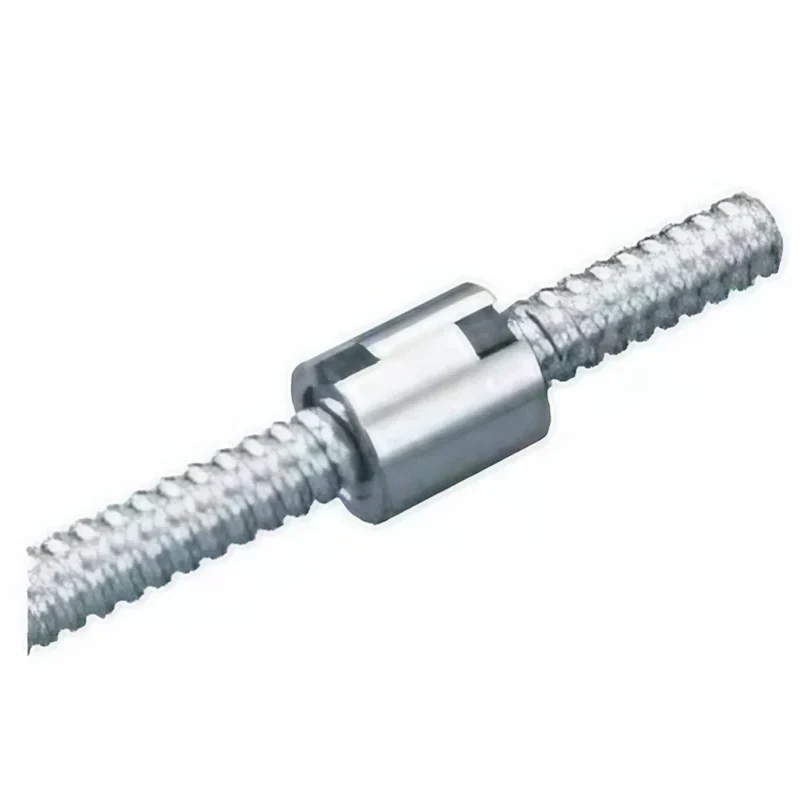
GTHA Series,Ball Screw
-
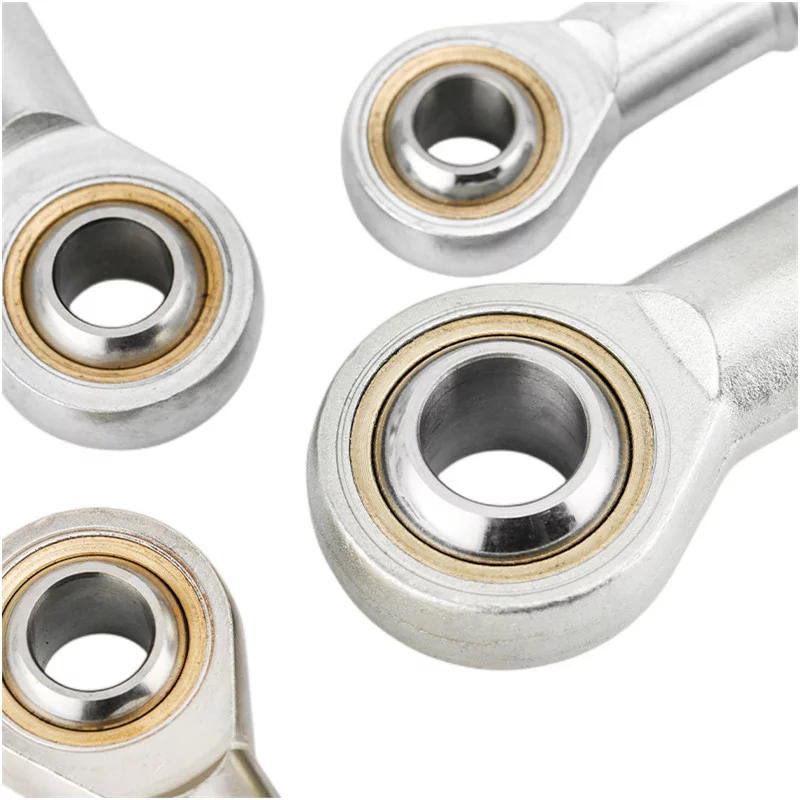
SI...T/K Series,Female Threaded - Rod End Bearing
-
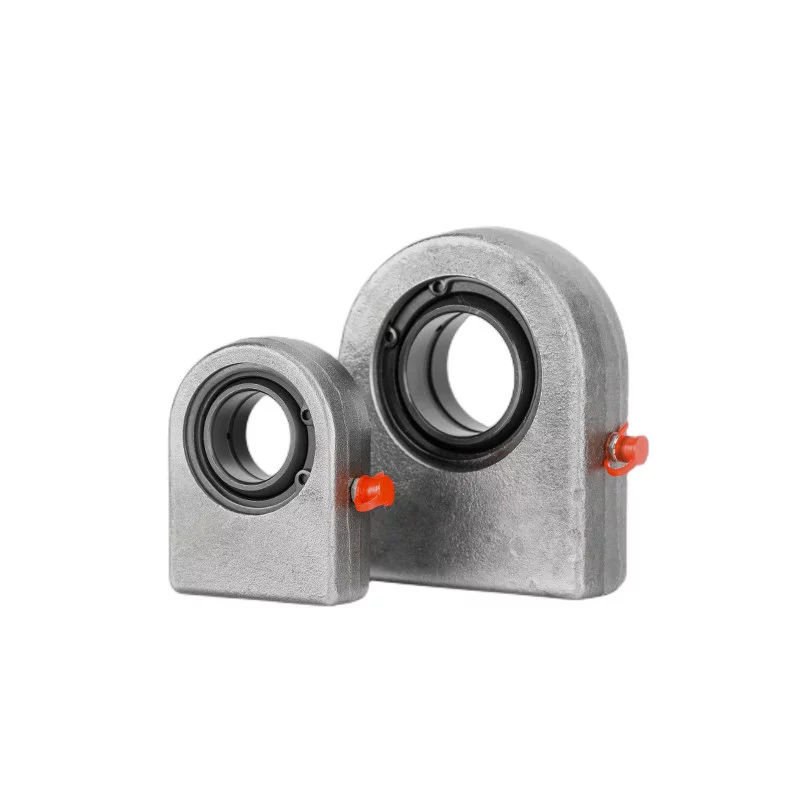
GF..DO,Rod Ends,Hydraulic Components
-
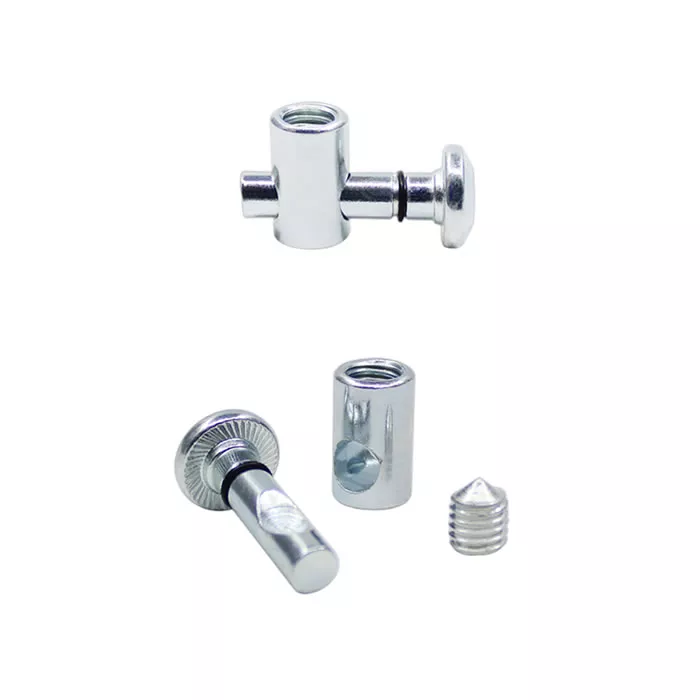
Carbon Steel Central Connector for Aluminium Extruded Tube 8 Slot Profile
-
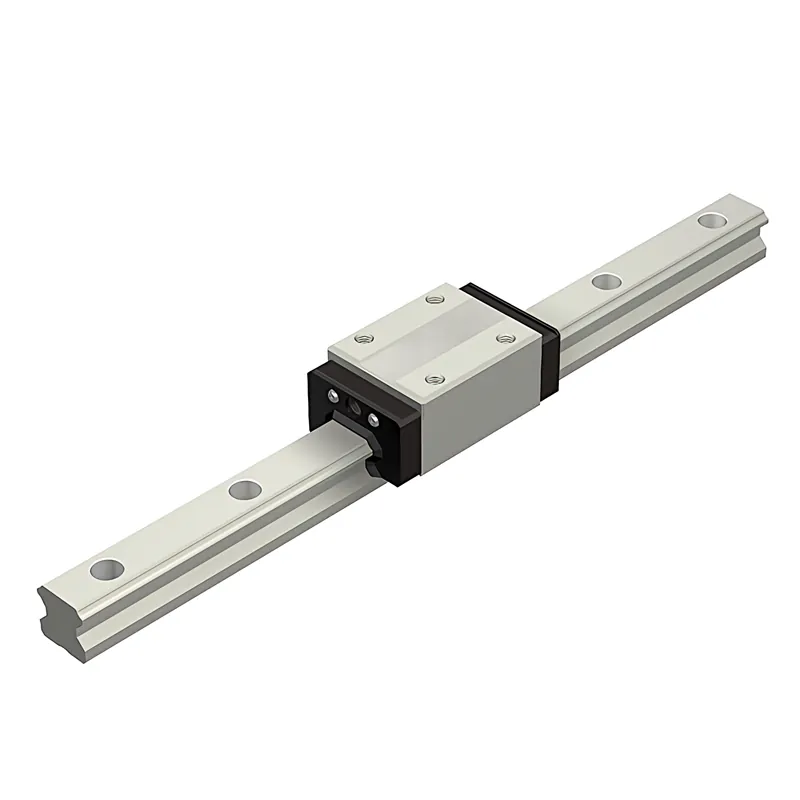
Models HSR-R/RM/XR THK Linear Guides
-
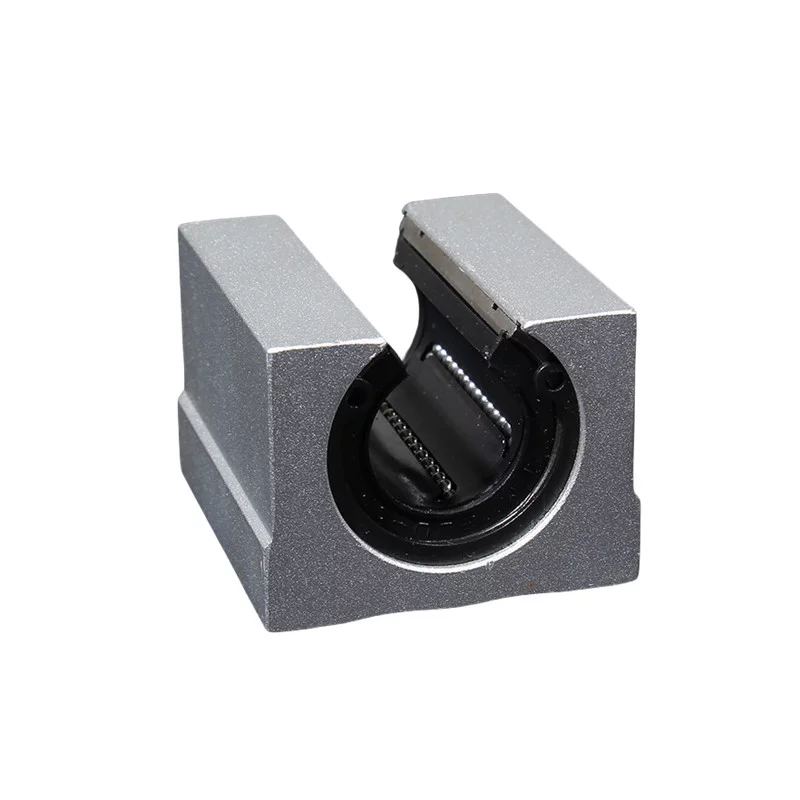
SBR..UU Series,Linear Motion Ball Slide Units
-
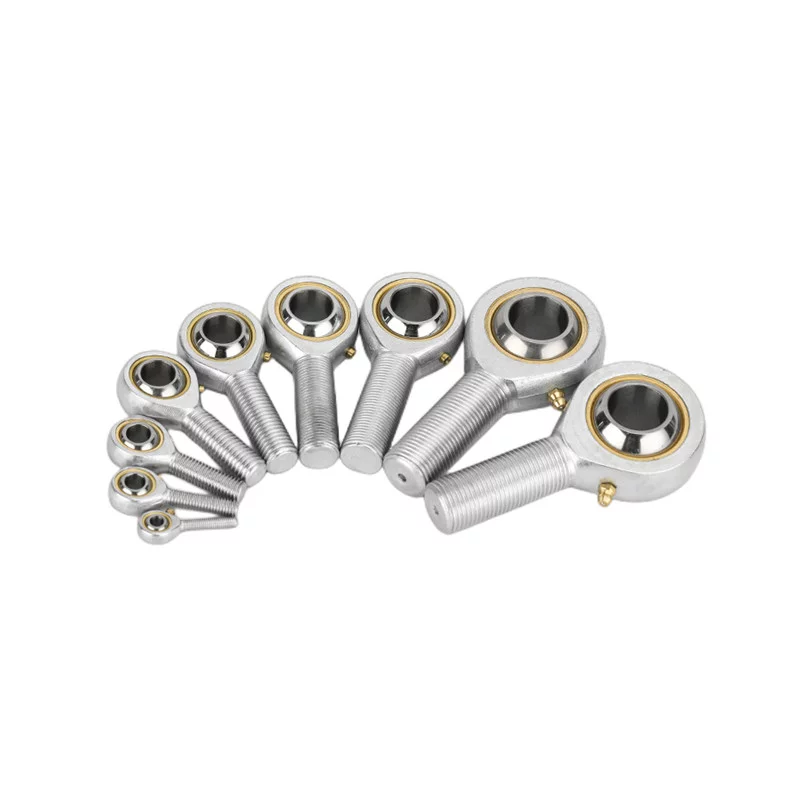
POS Series,Male Threaded - Rod End Bearing
-
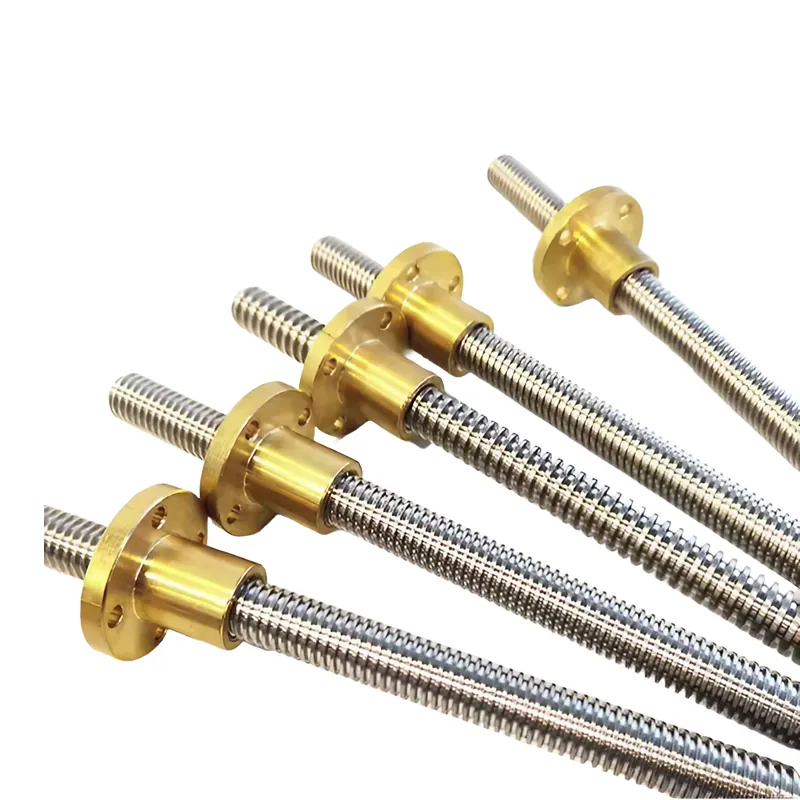
1500/2500/3000mm Lead Screw Ball Screw
-
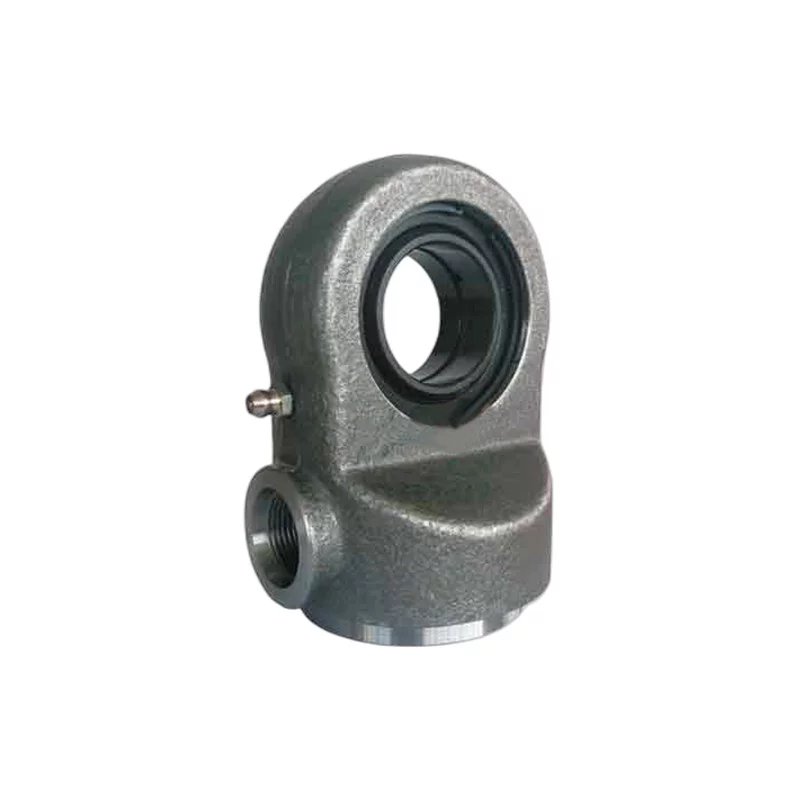
679CJ,Rod Ends,Hydraulic Components
-
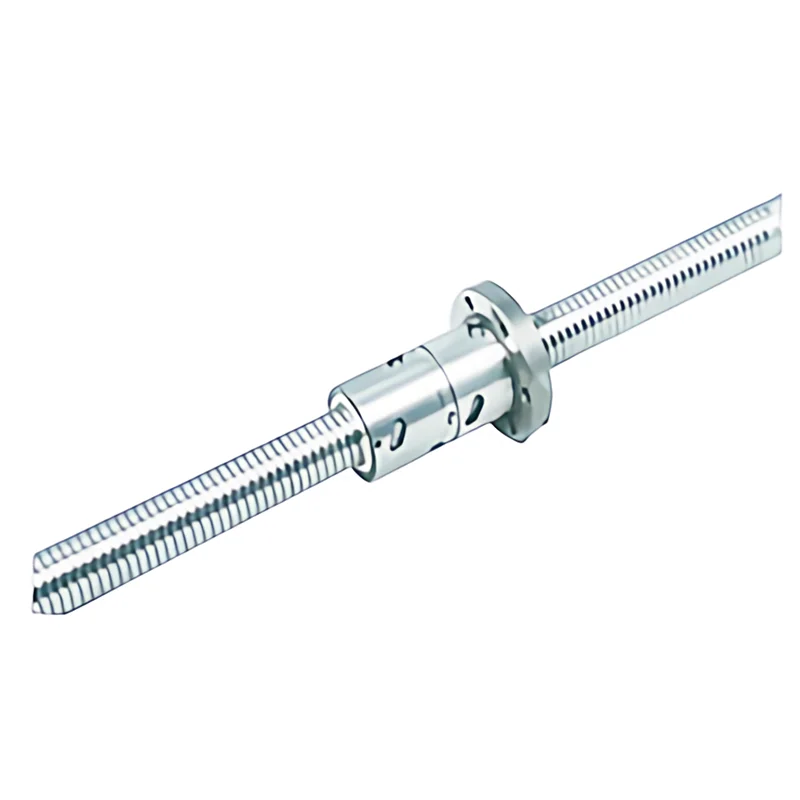
DFI Series,Ball Screw